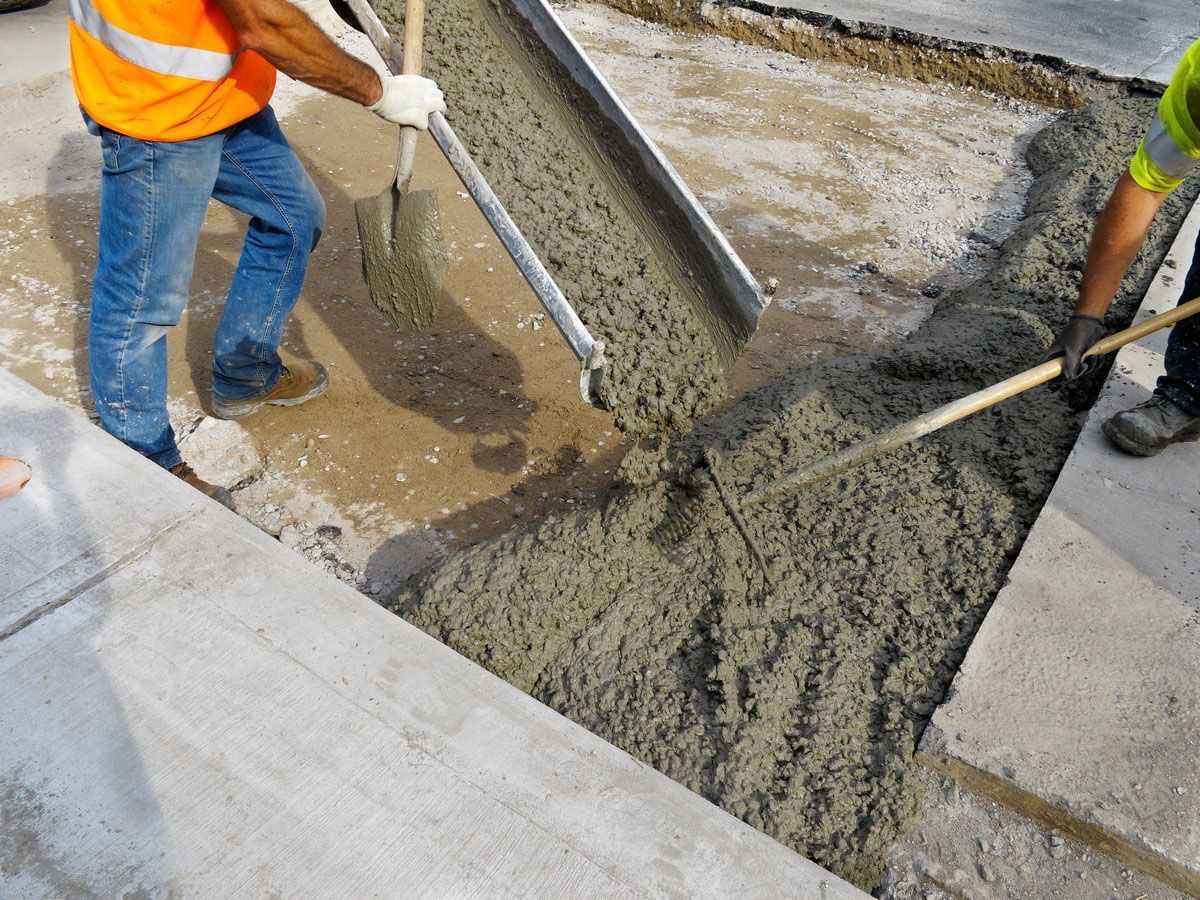
Concrete serves as the foundational bedrock for residential and commercial architecture, providing structural stability, load-bearing endurance, and clean geometric appeal to modern landscapes. Despite its renowned resilience, concrete is not impervious to continuous mechanical wear, environmental deterioration, and poor original ground preparation. When driveways, footpaths, and structural slabs begin displaying visible signs of stress, many property owners attempt superficial patch kits that merely conceal underlying structural failures. Knowing when to step back from amateur fixes and hire a seasoned concrete contractor safeguards your real estate investment, preserves daily pedestrian safety, and guarantees that any subsequent construction adheres to rigorous engineering standards.
Overlooking subtle indications of material breakdown inevitably invites escalating repair bills, structural hazards, and diminished property values. Whether a homeowner is managing an aging patio, combating persistent pooling water, or coordinating a comprehensive exterior renovation, the technical knowledge required to excavate, reinforce, and pour durable masonry cannot be overstated. A licensed tradesperson evaluates critical environmental variables—such as expansive soils, sub-base compaction, frost lines, and localized drainage pathways—that amateurs frequently neglect. By learning to identify the clear physical symptoms of concrete failure early, you can intervene decisively, protect property equity, and secure resilient flatwork engineered to withstand decades of rigorous daily use.
1. Managing Uneven or Cracked Surfaces
The sudden appearance of pronounced cracks, shifting control joints, or sunken slabs across your driveway or walkways is one of the clearest warnings that sub-surface support has been compromised. While minor hairline shrinkage cracks often form during the initial hydration process, wide fissures exceeding a quarter inch typically indicate profound soil settlement, expansive clay movement, or invasive tree root pressure underneath the slab. Over time, recurring freeze-thaw cycles force liquid moisture deep into these unsealed crevices, where it expands violently and shatters the brittle concrete matrix from within. Addressing these compounding structural defects requires an expert eye to trace the root failure beneath the surface.
Attempting to smear store-bought hydraulic cement or silicone caulk across fractured slabs will only yield short-lived aesthetic camouflage while water continues eroding the granular subgrade below. In contrast, an experienced concrete contractor assesses whether specialized mudjacking, polyurethane foam leveling, or complete slab demolition and re-pouring represents the most durable remedy. According to This Old House, for concrete driveways, apply a sealant every four to five years to prevent staining and moisture penetration. Professional masons ensure that proper sub-base re-compaction, steel rebar reinforcement, and preventative sealing regimens are implemented, eliminating tripping hazards and restoring a secure, level perimeter for vehicles and foot traffic.
2. Resolving Water Pooling and Drainage Issues
Persistent standing water accumulating across flatwork after ordinary rainfall points toward fundamental grading flaws, inadequate pitch, or settled underlying soils. Concrete should always be poured with a deliberate directional slope that guides rainwater away from adjoining living spaces, retaining walls, and garage slabs. When water pools chronically against flatwork, it gradually saturates the supporting base aggregate, washing away fine sands and creating hollow subterranean cavities. As these hidden voids expand, unsupported slabs lose their load-bearing capacity, ultimately snapping and sinking under ordinary vehicular loads while cultivating hazardous slippery moss and unsightly mineral efflorescence.
Correcting persistent drainage failures requires technical grading precision and dedicated hydraulic planning that DIY efforts rarely provide. Bringing in a licensed concrete contractor ensures that your exterior yard contours are systematically evaluated, re-engineered, and pitched to sustain natural gravitational runoff. Professionals frequently integrate hidden trench drains, catch basins, or subsurface French drain lines alongside custom-poured curbs to intercept excess moisture before it compromises structural foundations. Establishing engineered runoff pathways protects the longevity of your masonry installations, prevents surrounding topsoil erosion, and keeps high-traffic walkways dry and secure throughout severe seasonal storms.
3. Repairing Structural Foundation Concerns
Foundation anomalies represent the most urgent category of masonry failure, directly jeopardizing the structural integrity and habitable safety of an entire building. Homeowners frequently notice warning indicators inside living quarters before inspecting the exterior foundation perimeter, including sticking window frames, jamb-binding doors, sloping hardwood floors, and stair-step cracks migrating through interior drywall. Externally, horizontal fractures along poured foundation walls, spalling concrete, or localized outward bowing suggest that massive hydrostatic pressure is pressing relentlessly against the subterranean envelope, demanding immediate stabilization from verified trade experts.
Treating foundation deficiencies requires advanced diagnostic instruments, including digital laser levels and subsurface moisture detectors, to accurately quantify the rate and trajectory of structural movement. A specialized concrete contractor can execute engineered structural repairs, such as driving helical steel piers down to solid bedrock, applying carbon-fiber reinforcement straps, or underpinning settled footing sections with high-strength structural grout. Prompt professional intervention stabilizes the shifting structure, mitigates progressive framing distortion, and restores peace of mind by securing your home’s primary structural anchor against unpredictable subterranean movements.
4. Upgrading Outdated or Damaged Features
Aging exterior flatwork often degrades into an unsightly patchwork of surface spalling, exposed rough aggregate, and antiquated architectural styling that detracts from a home’s exterior presentation. As decades pass, relentless ultraviolet exposure, road salt tracking, and surface abrasion strip away smooth cream finishes, leaving outdoor patios and walkways looking worn, discolored, and uninviting. Furthermore, vintage installations frequently lack the advanced fiber-mesh additives and modern air-entrainment techniques that make contemporary concrete mixes remarkably resilient against harsh temperature swings and chronic surface flaking.
Transitioning from dilapidated masonry to sophisticated hardscaping requires modern installation methods, creative spatial layout, and high-performance material formulation. An artistic concrete contractor can introduce decorative stamped patterns, customized integral color pigments, smooth acid stains, or slip-resistant broom-brushed borders that harmonize beautifully with your home's exterior cladding. Replacing fragmented sidewalks and crumbling patios with contemporary, fiber-reinforced architectural flatwork transforms neglected yard space into an elegant outdoor living area. Modern concrete methods dramatically increase functional utility, elevate daily enjoyment, and lower long-term maintenance demands through durable, protective surface sealants.
5. Planning a Major Property Renovation
Embarking on extensive property renovations—such as erecting a detached garage, extending a ground-floor addition, or constructing a custom in-ground swimming pool deck—demands substantial, specialized masonry from the earliest planning stages. Large-scale structural improvements rely on precisely calculated footing depths, load-bearing soil verifications, and exact slump consistency to support heavy architectural frameworks safely over time. Without meticulous site coordination and accurate volume calculations, homeowners face disastrous pouring delays, cold joints where distinct pours fail to bond, and expensive structural failures that derail the entire building timeline.
Navigating structural permitting requirements, municipal frost-depth mandates, and complex concrete mix designs requires seasoned professional oversight. By engaging a qualified concrete contractor early during project design, you establish seamless collaboration between architects, engineers, and site excavators. These experienced specialists ensure that forming boards are rigidly braced, rebar grids are tied at correct structural depths, and fresh concrete is properly vibrated to eliminate structural air pockets. Thorough professional management keeps extensive property renovations on schedule, strictly code-compliant, and grounded upon an enduring structural foundation engineered to support future residential expansions.
When you need exceptional flatwork, dependable foundation repairs, or custom hardscape installations that elevate your home's exterior appeal, partnering with seasoned industry professionals makes all the difference. Enlisting a dedicated concrete contractor guarantees that your project benefits from precision site grading, premium raw materials, and flawless structural execution from start to finish. For superior masonry expertise, tailored outdoor designs, and reliable residential renovations, contact A & A Home Design LLC today to schedule a comprehensive consultation and secure the enduring strength of your home's concrete surfaces.